
最完美的离婚
蔚来秦力洪:预计年内纯电渗透率将超50% 不会推出任何增程式车型_我的网站

一 |

二 | 秦力洪在现场进一步明确预测,就在今年当中的某一个自然月,纯电车型的市场占比就会正式跨过50%的临界点,纯电车型成为车市销量绝对主流的趋势已经完全不可逆转。推动这一判断的核心支撑数据之一,是今年7月蔚来品牌在国内8个省份的42座城市里,单月销量已经同时超过了奔驰、宝马、奥迪组成的德系豪华三强,在不少核心高端市场已经站稳了脚跟。 AUCKLAND, New Zealand -- Conservative former businessman Christopher Luxon will be New Zealand’s next prime minister after winning a decisive election victory Saturday.People voted for change after six years of a liberal government led for most of that time by Jacinda Ardern.The exact makeup of Luxon’s government is still to be determined as ballots continued to be counted.Luxon arrived to rapturous applause at an event in Auckland. He was joined on stage by his wife, Amanda, and their children, William and Olivia. He said he was humbled by the victory and couldn't wait to get stuck in to his new job. He thanked people from across the country.“You have reached for hope and you have voted for change,” he said.Supporters chanted his campaign slogan which promised to get the country “back on track.” Outgoing Prime Minister Chris Hipkins, who spent just nine months in the top job after taking over from Ardern in January, told supporters late Saturday he had called Luxon to concede.Hipkins said it wasn’t the result he wanted.“But I want you to be proud of what we achieved over the last six years,” he told supporters at an event in Wellington.Ardern unexpectedly stepped down as prime minister in January, saying she no longer had “enough in the tank” to do the job justice. She won the last election in a landslide, but her popularity waned as people got tired of COVID-19 restrictions and inflation threatened the economy.Her departure left Hipkins, 45, to take over as leader. He had previously served as education minister and led the response to the coronavirus pandemic. With most of the vote counted, Luxon’s National Party had about 40% of the vote. Under New Zealand’s proportional voting system, Luxon, 53, is expected to form an alliance with the libertarian ACT Party. Meanwhile, the Labour Party that Hipkins leads was getting only a little over 25% of the vote — about half the proportion it got in the last election under Ardern.And in a result that would be particularly stinging for Labour should it lose the seat, National was in a tight race for Ardern’s old electorate seat, Mount Albert. The seat has long been a Labour stronghold and was also held by another former Labour prime minister, Helen Clark. The National Party candidate for the seat, Melissa Lee, told The Associated Press she was feeling excited but also nervous about the final result in Mount Albert.“It’s been Labour since 1946. It has been the biggest, safest Labour seat forever,” she said. “It would be fantastic if we won it.” Lee said that when she was door-knocking, people had told her they were tired of the current government and were concerned with the state of the economy and the spiraling cost of living. David Farrar, a longtime conservative pollster, said there was still a good chance that Labour would end up holding the seat once all the votes were counted. However, he said, his initial impression of voting throughout the country was that it was turning out to be a “bloodbath” for the left. Luxon has promised tax cuts for middle-income earners and a crackdown on crime. Hipkins had promised free dental care for people younger than 30 and the removal of sales taxes on fruit and vegetables.Also at stake in the election is the government’s relationship with Indigenous Māori. Luxon has promised to axe the Māori Health Authority, which he says creates two separate health systems. Hipkins says he’s proud of such co-governance efforts and has accused Luxon of condoning racism.Within days of taking the reins in January, Hipkins found himself dealing with a crisis after deadly floods and then a cyclone hit New Zealand. He quickly jettisoned some of Ardern’s more contentious policies and promised a “back to basics” approach focused on tackling the spiraling cost of living. Warm spring weather in the largest city, Auckland, seemed to encourage voters, with queues forming outside some polling places. Early voting before Election Day was lower than in recent elections.During a six-week election campaign, both Hipkins and Luxon traveled the country and hammed it up for the cameras. Earlier in the week, Luxon, who served as chief executive of both Unilever Canada and Air New Zealand, told an energized crowd in Wellington that he would crack down on gangs.“I’ve gotta tell you, crime is out of control in this country,” Luxon said. “And we are going to restore law and order, and we are going to restore personal responsibility.”Luxon also got cheers when he promised to fix the capital’s gridlocked traffic with a new tunnel project.Luxon is relatively new to politics but held his own against the more experienced Hipkins during televised debates, according to political observers. But Luxon also made some gaffes, such as when he was asked in a 1News debate how much he spent each week on food.His answer of “about sixty bucks” (U.S. $36) was ridiculed on social media as showing he was out of touch with the cost of living. ___Follow AP’s Asia-Pacific coverage at https://apnews.com/hub/asia-pacific。更早之前,秦力洪就已经代表蔚来对外明确表态,蔚来未来绝对不会推出任何增程式车型,整个品牌的产品路线将始终坚定不移走纯电汽车赛道,不会为了短期销量随大流蹭增程的风口。按照秦力洪的解释,以蔚来团队现有的技术积累和整车研发能力,如果真的想要入局增程赛道,只需要20个月的开发周期就能拿出完全满足量产标准的成熟增程车型,做增程在技术层面根本不存在任何门槛,不想做从来都不是做不出来。

三 | 秦力洪在这次公开采访中还给所有人算了一笔非常直白的产业账,平均每台车上多装一整套增程系统,额外要付出的物料制造成本差不多在2万元左右,如果按照100万辆车的年销规模来计算,全部车型搭载增程系统要多花出来的额外总成本就能达到200亿元。在他看来,掏出这200亿元去覆盖所有增程车型的额外系统成本,完全不如把这笔钱直接投到换电站的布局建设上,最后换来的用户补能体验提升和品牌长期价值收益,要比卖增程车赚的短期利润高得多。秦力洪同时提到,前几年不少车企靠增程车型快速起量赚来的快钱,本质上本来就不属于行业应该赚的长期收益,眼下随着市场竞争进入白热化阶段,当初靠增程这条捷径埋下的所有隐患,现在所有选择走这条路的玩家都要慢慢偿还之前欠下的成本债,行业发展从来不存在真正可以抄的近路。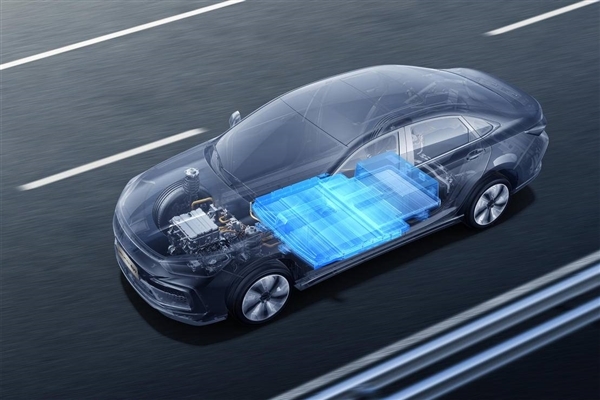
Current article:http://bhbcu8h.licuqiangraosuiheizhua.pics/4j66h4t/rwgl44.html
Published on:01:58:16